
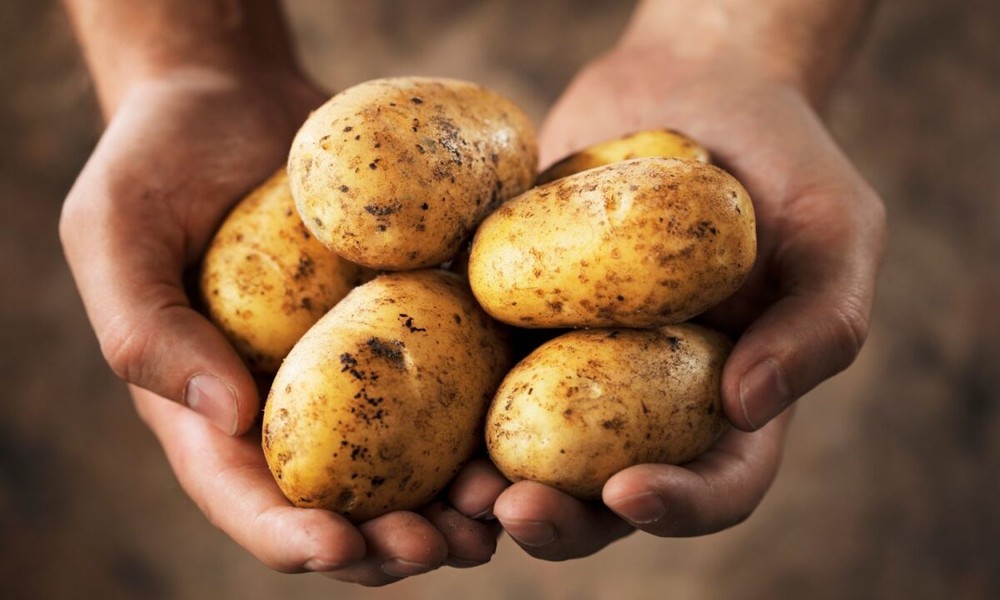
The question “are potatoes healthy?” has been debated for years, often influenced by diet trends rather than facts. Potatoes are frequently labeled as unhealthy due to their carbohydrate content, yet this perspective ignores the bigger picture. When examined beyond popular myths, potatoes reveal themselves as a wholesome and valuable food that can fit comfortably into a balanced lifestyle.
Separating The Food From The Trend
Many modern diets focus on eliminating certain food groups, and carbohydrates are often the first target. This has led to potatoes being unfairly grouped with highly processed foods. In reality, potatoes in their natural form are very different from packaged snacks or refined carb products.
The confusion comes from how potatoes are commonly served. Deep fried versions or heavily processed forms do not reflect the nutritional value of whole potatoes. Looking at the original food instead of its processed variations is the first step in answering the question are potatoes healthy.
A Naturally Balanced Composition
Potatoes offer a natural balance of nutrients that work together to support the body. They provide vital vitamins and minerals that support general health as well as carbohydrates for energy.
In contrast to many trendy “health foods” that focus on one specific benefit, potatoes provide a combination of nutrients in a single ingredient. This makes them a practical addition to everyday meals rather than a specialized food that needs to be used in limited ways.
Supporting Consistent Energy Levels
One of the overlooked aspects when asking are potatoes healthy is how they support energy consistency. Throughout the day, whole potatoes offer a consistent source of energy that supports concentration and productivity.
This is especially important in routines that require sustained mental or physical effort. Including potatoes in meals can help sustain a more consistent energy pattern rather than depending on sugary snacks or caffeinated beverages.
A Food That Adapts To Healthy Lifestyles
Potatoes can easily be included in different eating styles without causing imbalance. Whether someone prefers simple home cooked meals or follows a structured diet plan, potatoes can be adapted to fit those preferences.
Their neutral taste allows them to pair well with a variety of ingredients, making it easier to build meals that are both enjoyable and nutritious. This adaptability is one of the reasons they remain a staple food across cultures.
Encouraging Mindful Eating Habits
Whole potatoes naturally encourage slower and more mindful eating. They require preparation, cooking, and portioning, which contrasts with the quick consumption of processed foods.
This process helps create a better connection with food and promotes healthier eating habits. When people prepare meals using whole ingredients like potatoes, they are more likely to make thoughtful choices about what they eat.
A Reliable Option In Everyday Nutrition
Another reason potatoes stand out is their reliability. They are widely available, affordable, and easy to store. This consistency makes it easier for people to maintain a balanced diet without depending on expensive or hard to find ingredients.
Having a dependable food like potatoes in the kitchen supports regular meal planning and reduces the likelihood of skipping meals or choosing less nutritious options.
Moving Beyond One Dimensional Thinking
A straightforward “yes” or “no” cannot be used to answer the question of whether potatoes are healthful. It depends on how they are prepared, what they are paired with, and how they fit into the overall diet.
Focusing only on one aspect such as carbohydrates creates a one dimensional view that does not reflect the full picture. A more complete understanding considers the quality of the food, its preparation, and its role within balanced eating.
The Role Of Simplicity In Nutrition
In a time where food choices are often overcomplicated, potatoes represent simplicity. They do not rely on marketing claims or trendy labels to prove their value. Their benefits come from their natural composition and how they are used in meals.
Choosing simple, whole foods like potatoes can help reduce confusion around nutrition and make healthy eating more approachable.
Conclusion
A more realistic and impartial viewpoint is revealed when the subject of whether potatoes are healthful is investigated beyond common diet fallacies. Potatoes are not the problem they are often made out to be. Instead, they are a versatile, reliable, and nourishing food that supports everyday health when prepared thoughtfully. By moving past misconceptions and focusing on the whole picture, it becomes clear that potatoes deserve a place in a well rounded and practical diet.