
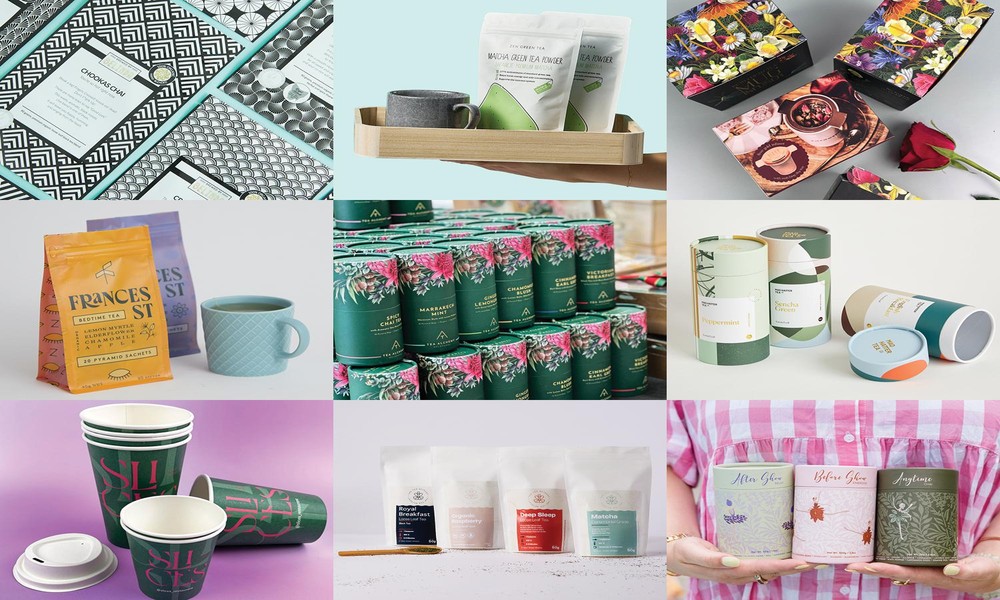
You already know that packaging shapes how your tea is stored, shipped, and perceived. What I focus on is how to choose packaging that protects freshness, supports your workflow, and fits your brand direction without creating friction as you grow. If you are exploring options like packaging for tea, it helps to look beyond appearance and focus on how each format performs in real use.
I will walk you through how to think about tea bag packaging, loose leaf formats, and supplier selection, with practical guidance you can apply right away.
Start With Product Type and Use Case
The first decision comes down to how your tea is sold and consumed.
Different formats require different packaging structures:
- Loose leaf tea needs strong barrier protection to preserve aroma
- Tea bags need compact formats that protect shape and freshness
- Samplers and subscriptions need lightweight and flexible packaging
- Retail products need shelf presence and durability
If you try to use one format across all of these, you create problems. I always suggest matching packaging directly to how your customer will receive and store the product.
Focus on Freshness Protection First
Tea loses quality fast if exposed to air, light, or moisture. Packaging must act as a barrier.
Here is what I look for:
- Foil lining or high-barrier materials to lock in aroma
- Airtight seals or zip closures for resealing
- Thick materials that hold structure during shipping
- Protection from light for delicate blends
If your packaging fails here, nothing else matters. Design and branding only work if the product inside still tastes right.
Choose the Right Packaging Formats
Each format solves a different problem. You should not pick based on trend. Pick based on function.
Stand-Up Pouches
- Best for loose leaf tea
- Strong shelf presence
- Easy to store and reseal
- Works well for growing brands
Flat Pouches
- Ideal for tea bags or sample packs
- Slim and cost efficient
- Good for subscriptions or trial kits
Cylinders and Tins
- Premium look for gifting or retail
- Durable and reusable
- Strong visual impact on shelves
Box and Bag Combinations
- Adds structure for retail display
- Helps organize multiple units
- Improves perceived value
I usually tell people to start simple, then expand formats as product lines grow.
Think About Workflow and Scaling
Packaging should match how you pack and ship your product.
Ask yourself:
- Are you packing by hand or using machinery?
- Do you need fast turnaround for restocking?
- Will you test new blends often?
- Do you need small batch flexibility?
Low minimum order quantities matter here. If you are testing new products, large commitments slow you down and increase risk.
This is where many suppliers fall short. They focus on volume instead of flexibility.
Why Supplier Choice Matters
The supplier you choose will affect everything from cost to consistency.
I look for three things:
- Range of formats and materials
- Ability to support both small and large orders
- Clear guidance on materials and sizing
The Packaging People stand out because they cover all three. They offer pouches, sachets, tins, boxes, and custom options in one place, which removes the need to manage multiple suppliers.
They also support both stock and custom packaging with low minimums. That makes it easier to test products before scaling.
Balancing Branding and Function
Packaging needs to look good, but it also needs to work.
Here is how I approach it:
- Use labels or stickers for small runs
- Move to custom printing once demand is proven
- Choose finishes like matte or gloss based on brand tone
- Keep designs simple for flexibility across SKUs
The Packaging People offer both ready-to-use packaging and full custom printing. This allows brands to start small and transition into fully branded packaging without changing suppliers.
Sustainability Considerations
Customers care about sustainability, but you still need performance.
Look for:
- Recyclable materials
- Compostable options where possible
- Minimal packaging designs
- Durable materials that reduce waste
The Packaging People provide options across recyclable and compostable materials. This helps you align with customer expectations without sacrificing freshness protection.
Supporting Growth Without Friction
One of the biggest issues I see is packaging that cannot scale.
You might start with one format, then struggle to expand because your supplier cannot support new sizes or styles.
A better approach is to choose a supplier that already offers:
- Multiple packaging formats
- Consistent material options
- Fast reordering systems
- Sample testing before large orders
The Packaging People support over 10,000 businesses across industries. That experience shows in how they structure their product range and ordering process.
Final Thoughts on Choosing Tea Packaging
If you want a simple way to think about this, focus on three priorities:
- Protect the product first
- Match packaging to how it is used
- Choose a supplier that supports growth
Everything else builds on those decisions.
Tea packaging is not just about presentation. It directly affects product quality, customer experience, and how easily you can scale your brand. If you approach it with a clear structure, you avoid common mistakes and build a system that supports long-term growth.