
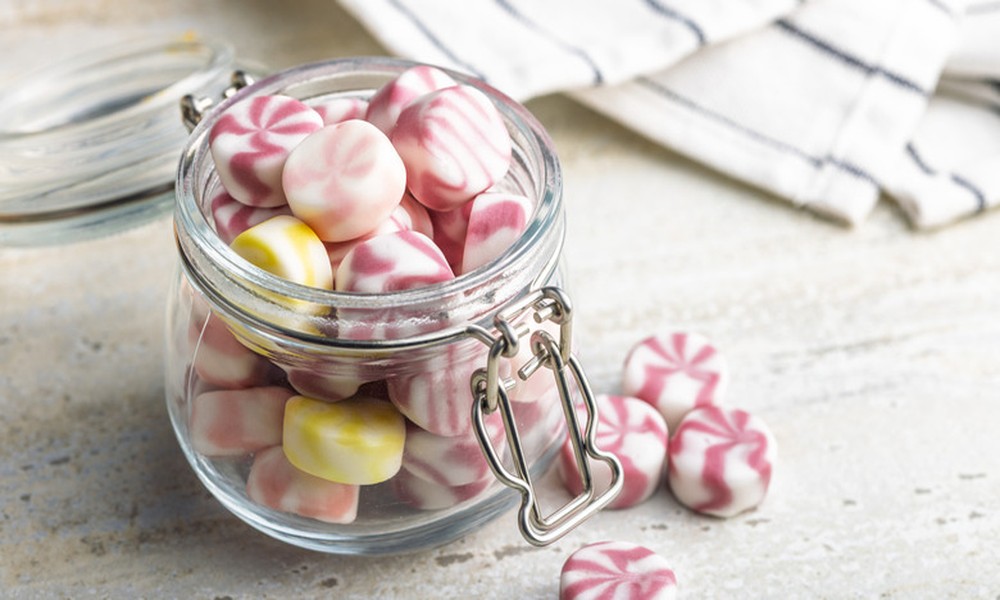
Mint has shaped taste across centuries. Ancient healers valued its cool breath. Traders carried dried leaves along dusty roads. Mint moved between cultures with ease. The sharp aroma signaled freshness and calm. Now kitchens and apothecaries both prized it. Sweet makers later saw new promise. They blended herb and sugar with care. Thus, mint entered the world of sweets.
Sacred Leaves and Early Healing Traditions
Early civilizations medicated with mint. Egyptian tombs contained dried mint. Greek physicians suggested it for clarity and digestion. Some Roman cooks used mint to sauces and wines. The leaf symbolizes cleanliness and welcome. The aroma revived packed banquet halls. The plant became sacred. Mint was carefully grown by medieval monks to preserve botanical knowledge.
Mint Meets Sugar in Expanding Trade
Sugar changed culinary history. Arab traders refined sugar techniques. European crusaders encountered new flavors abroad. Now sweet syrups paired with herbs. Confectioners experimented with rose and mint. They crafted lozenges for breath and health. The cool herb masked strong sugar. The phrase mint chocolate candy would emerge much later, yet early blends hinted at that harmony. Mint became linked with indulgence. The taste felt clean and bright. Consumers welcomed this dual promise.
Industrial Sweets and Popular Appeal
Industrialization transformed confectionery craft. Steam power improved sugar refining. Factories produced uniform mint drops. Now candies reached wider markets. Peppermint sticks became holiday symbols. The bold stripes caught eager eyes. Advertisements praised purity and freshness. Companies invested in branded mint assortments to capture loyal customers. In the United States, Mrs. Cavanaugh’s embraced mint centers coated in smooth chocolate. The pairing balanced bitterness and sweet creaminess.
Chocolate Partnerships and Cultural Memory
Chocolate deepened mint’s appeal. Cocoa met peppermint in layered confections. The contrast felt vivid and refined. Sometimes, dark chocolate heightened mint’s cool spark. European chocolatiers perfected thin mint wafers with crisp shells. The flavor evoked winter feasts and festive gatherings. Now mint chocolates appeared in gift boxes. In regional markets, Mrs. Cavanaugh’s offered handcrafted selections that honored traditional methods. These boxes carried nostalgic value. Families shared them after dinner. The scent filled warm kitchens.
Artisan Revival and Contemporary Innovation
Artisan makers revived heritage recipes. They studied heirloom mint varieties. Organic farming improved leaf quality. Now small batches highlight terroir and nuance. Chefs infuse mint into truffles and caramels. The flavor feels bright yet balanced. Sometimes, sea salt enhances herbal depth. Mrs. Cavanaugh’s continues to refine classic mint creams with modern standards. Consumers seek authenticity and story. Mint remains culturally relevant. The herb adapts to changing tastes.
Conclusion
Mint’s journey spans millennia. Ancient healers prized its virtues. Traders spread its fragrant leaves. Confectioners shaped it into delights. Now sweet shops showcase mint proudly. The leaf bridges medicine and pleasure. It’s cool breath endures through time. Each mint confection carries layered history. The story blends culture, trade, and craft. Mint will continue inspiring sweet innovation.